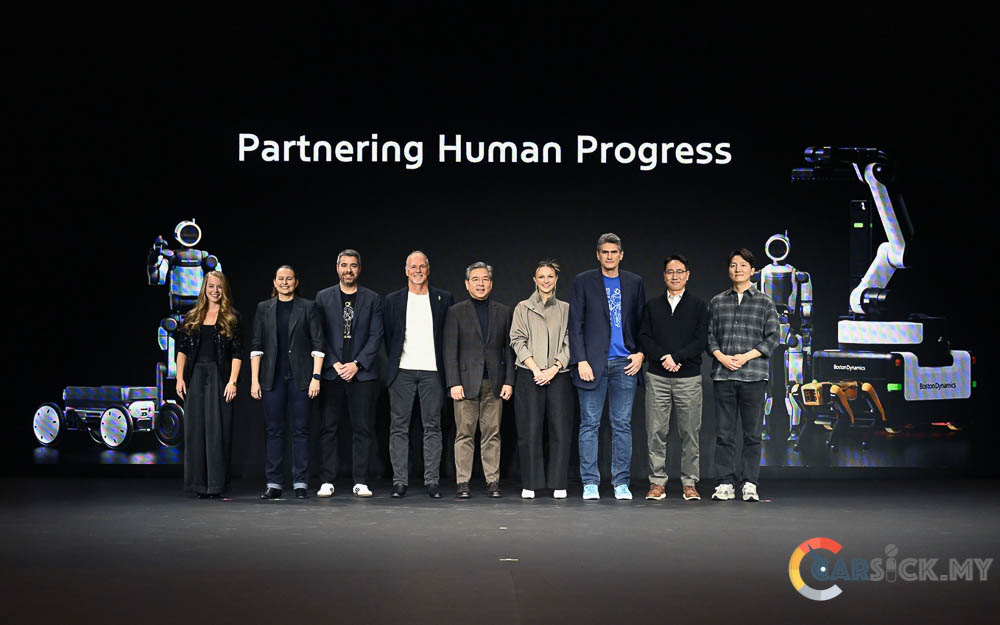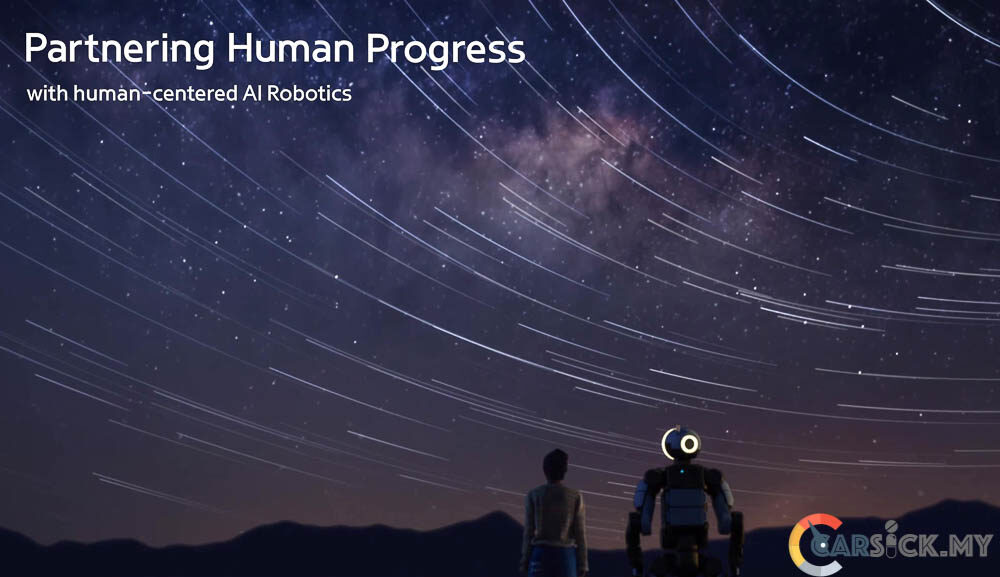

At CES 2026, Hyundai Motor Group unveiled a sweeping AI Robotics Strategy that signals a major shift in how robots will work alongside people in industry and everyday life. Introduced under the theme “Partnering Human Progress,” the strategy outlines the Group’s ambition to move beyond conventional automation and into an era of human-centered, AI-driven robotics designed to amplify human capability rather than replace it.
 Building on its earlier CES 2022 vision of “Expanding Human Reach,” Hyundai Motor Group is now transitioning from hardware-focused robotics to adaptive systems powered by artificial intelligence. These next-generation robots are designed to learn from real-world data, collaborate safely with humans, and evolve continuously through AI training.
Three Strategic Pillars Driving Human-Centered Robotics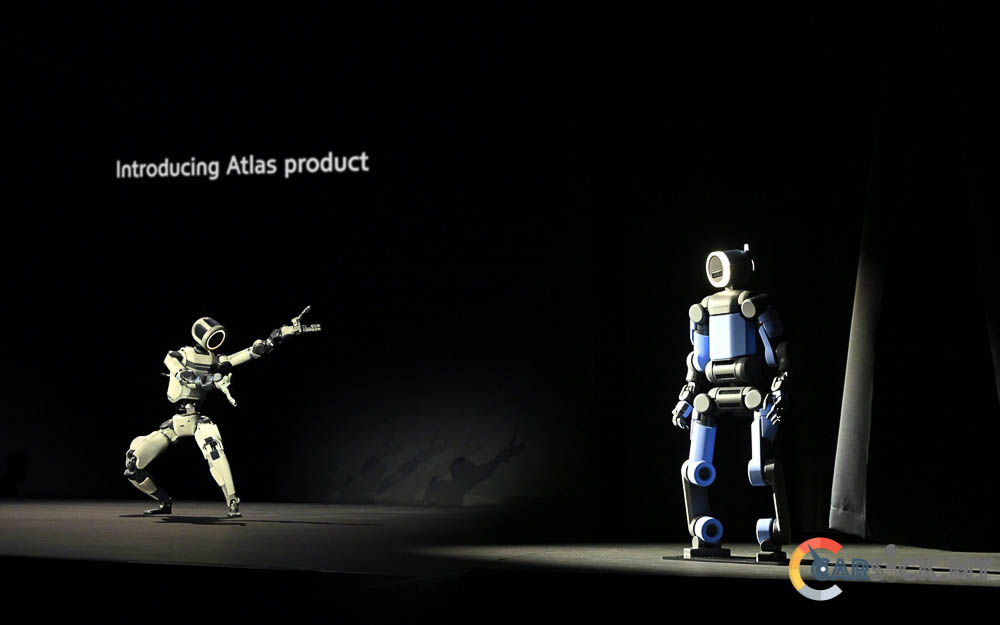
The Group’s roadmap is anchored by three key partnerships that form the foundation of its AI Robotics Strategy.
The first focuses on co-working robots for humans, particularly in manufacturing. These robots are intended to take on hazardous, repetitive, and physically demanding tasks, improving workplace safety while allowing human workers to concentrate on oversight, creativity, and higher-value activities.
The second pillar strengthens collaboration with Boston Dynamics, integrating the robotics pioneer’s research and development leadership with Hyundai Motor Group’s global manufacturing scale. This partnership aims to establish an end-to-end AI robotics value chain, from training and validation to mass production and deployment.
The third pillar involves partnerships with global AI leaders, enabling Hyundai Motor Group to integrate cutting-edge AI models into physical machines and accelerate innovation across the broader robotics ecosystem.
Together, these pillars position the Group as a key player in the emerging Physical AI industry—where intelligent systems collect real-world data through hardware, make autonomous decisions, and continuously improve through learning. This concept spans robotics, smart factories, logistics, and autonomous mobility.
Atlas: A New Benchmark for Industrial Humanoids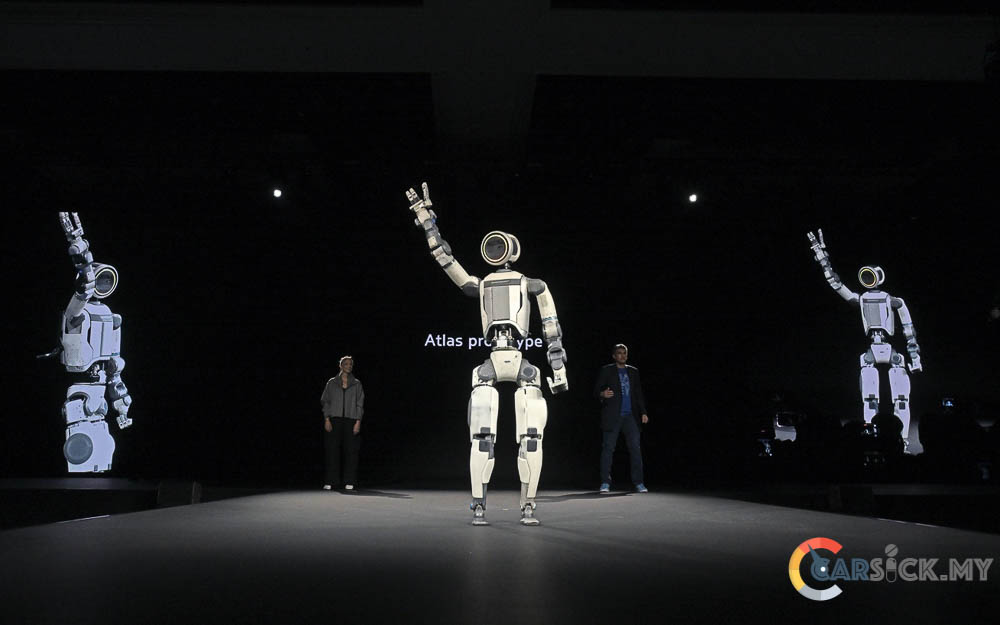
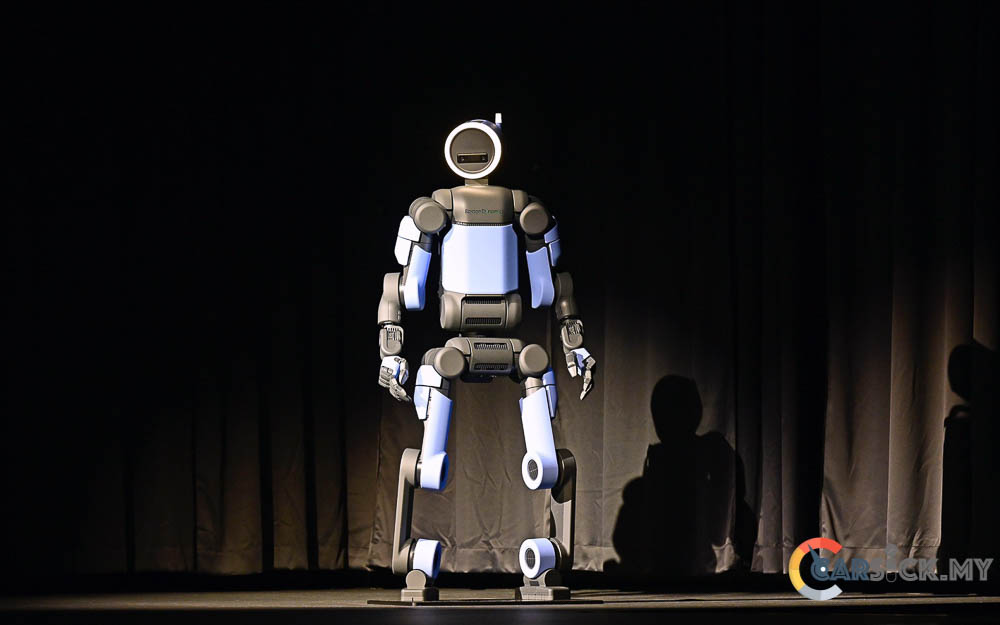
One of the most significant highlights of CES 2026 was the unveiling of Atlas, Boston Dynamics’ humanoid robot developed for industrial environments. Designed as a general-purpose humanoid, Atlas is built to operate within existing facilities, adapting flexibly to changing business needs while prioritizing safety, reliability, and predictability.
The Atlas prototype serves as a research platform, testing core capabilities that will define future commercial models. With advanced sensors, fully rotational joints, and AI-driven learning, Atlas can navigate complex factory settings, perform repetitive industrial tasks, and quickly adapt to new roles.
The product version of Atlas takes these capabilities further. Featuring 56 degrees of freedom and human-scale hands with tactile sensing, it is engineered for demanding applications such as material sequencing, machine tending, and component assembly. Atlas can lift loads of up to 50 kilograms, operate autonomously from day one, and even replace its own battery to enable continuous operation. Its durable, water-resistant design allows it to function reliably across a wide range of temperatures and industrial conditions.
Hyundai Motor Group believes humanoid robots will become the largest segment of the Physical AI market. As a result, the Group has set a clear goal to mass-produce Atlas and deploy it at scale across its global industrial footprint, starting with facilities such as Hyundai Motor Group Metaplant America in Georgia.
Deployment will follow a phased approach. From 2028, Atlas will be introduced into processes where safety and quality benefits are already proven, such as parts sequencing. By 2030, its role will expand into component assembly and other complex operations, gradually scaling across entire production sites as performance is validated.
Building an End-to-End AI Robotics Value Network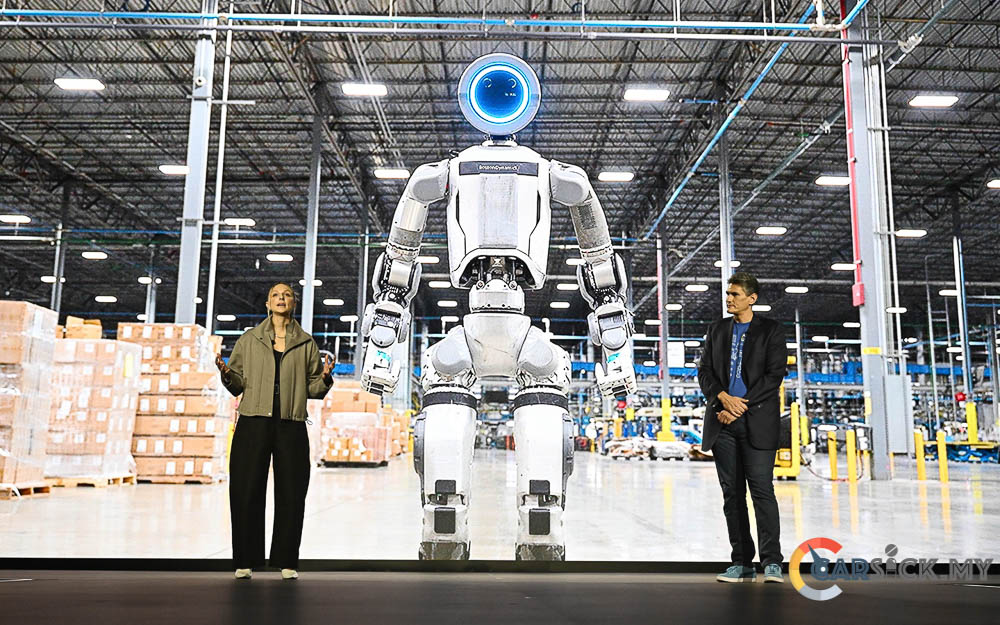
Central to Hyundai Motor Group’s strategy is the creation of a Group Value Network, an integrated framework that connects robotics development, manufacturing, logistics, software, and services into a unified ecosystem.
This network is powered by the Group’s Software-Defined Factory (SDF) concept, where real-world production data is continuously collected, digitized, and fed back into AI training loops. These smart factories allow robots to learn directly from live industrial environments, improving speed, accuracy, and safety over time.
Complementing this is the Robot Metaplant Application Center (RMAC), scheduled to open in the United States in 2026. RMAC will serve as the training engine for AI robots, translating human movements and real-world behaviors into precision datasets for complex tasks. Through continuous retraining cycles between RMAC and SDF facilities, robots will evolve rapidly and reliably.
Strategic partnerships also play a critical role. Hyundai Motor Group is deepening its collaboration with NVIDIA, leveraging AI infrastructure, simulation tools, and software frameworks to accelerate Physical AI development. At the same time, Group affiliates such as Hyundai Mobis, Hyundai Glovis, Hyundai Motor Company, and Kia are contributing expertise in components, logistics, mass production, and process control.
By 2028, the Group aims to establish a production system capable of manufacturing 30,000 robots annually, underscoring its commitment to scaling humanoid robotics for industrial and commercial markets.
Robotics as a Service and Expansion Beyond Manufacturing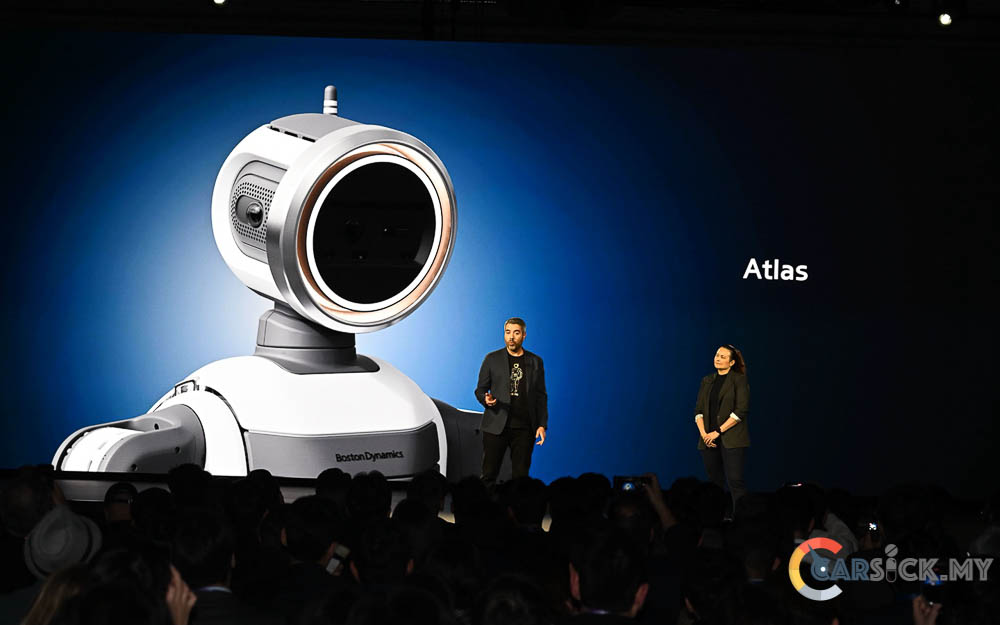
Beyond hardware, Hyundai Motor Group is expanding into Robotics-as-a-Service (RaaS), transforming robots from capital purchases into subscription-based solutions. This model includes maintenance, over-the-air software updates, remote monitoring, and lifecycle support, reducing upfront costs while delivering faster returns on investment.
The RaaS approach has already been validated through deployments with global partners such as DHL, Nestlé, and Maersk. Over time, Atlas, Spot, and Stretch robots will expand into industries including logistics, construction, energy, and facility management.
Significant investments further reinforce this vision. The Group plans to invest KRW 125.2 trillion in Korea over the next five years to advance AI-powered robotics and green energy, alongside USD 26 billion in the United States to expand future technologies and establish a major robotics production hub.
Shaping the Next Era of AI Robotics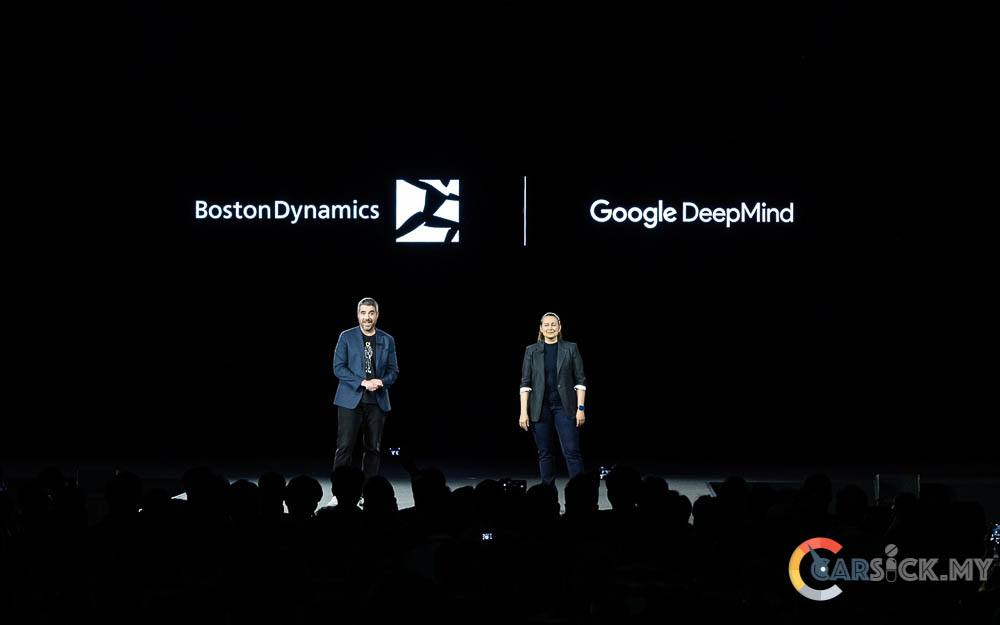
Looking beyond its own ecosystem, Boston Dynamics has also announced a strategic partnership with Google DeepMind, integrating advanced robot AI foundation models with world-leading robotics hardware. This collaboration is expected to accelerate the development of intelligent, adaptable humanoids capable of safely scaling across real-world environments.
Together, these initiatives reflect Hyundai Motor Group’s long-term vision: a future where humans and robots coexist in collaborative roles, enhancing safety, productivity, and quality of life. By anchoring AI innovation in real-world applications and human needs, the Group is positioning itself at the forefront of the Physical AI revolution—one where technology truly partners human progress.