
National automotive leader Proton recently concluded its Proton Business Case Study Challenge 2025 with a grand finale in Putrajaya, spotlighting the country’s brightest university students and their innovative ideas for the automotive industry.
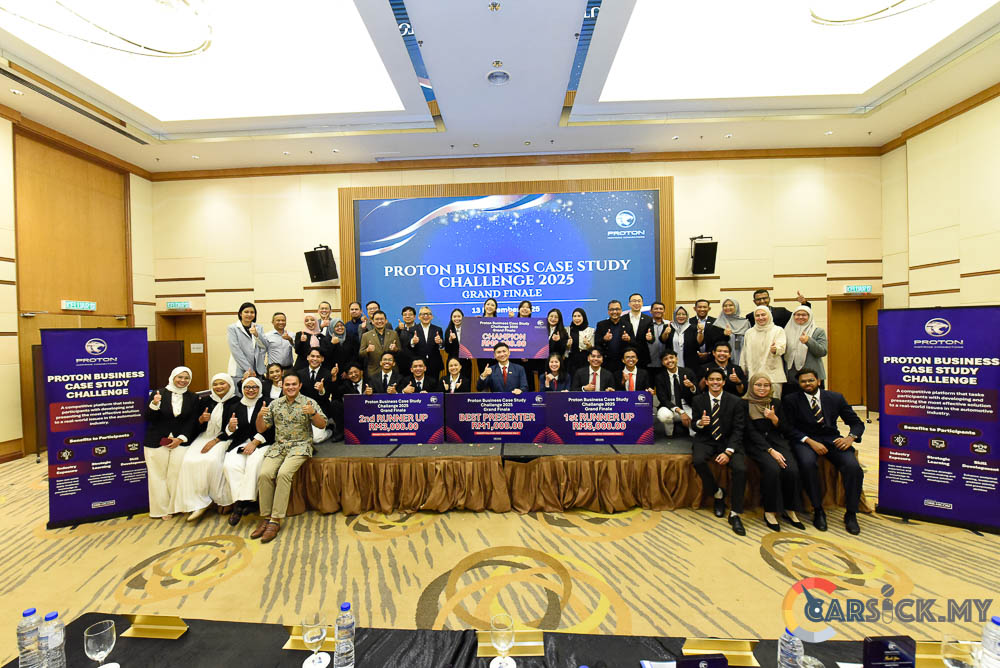 The second edition of the competition saw team WOLC from Universiti Utara Malaysia (UUM) emerge as champions, besting 41 teams from 25 universities across six Malaysian regions. This year’s challenge, which began on 14 November, tasked participants with devising strategies for Proton to lead Malaysia’s transition from internal combustion engines (ICE) to electric vehicles (EV) while maintaining competitiveness in both segments.
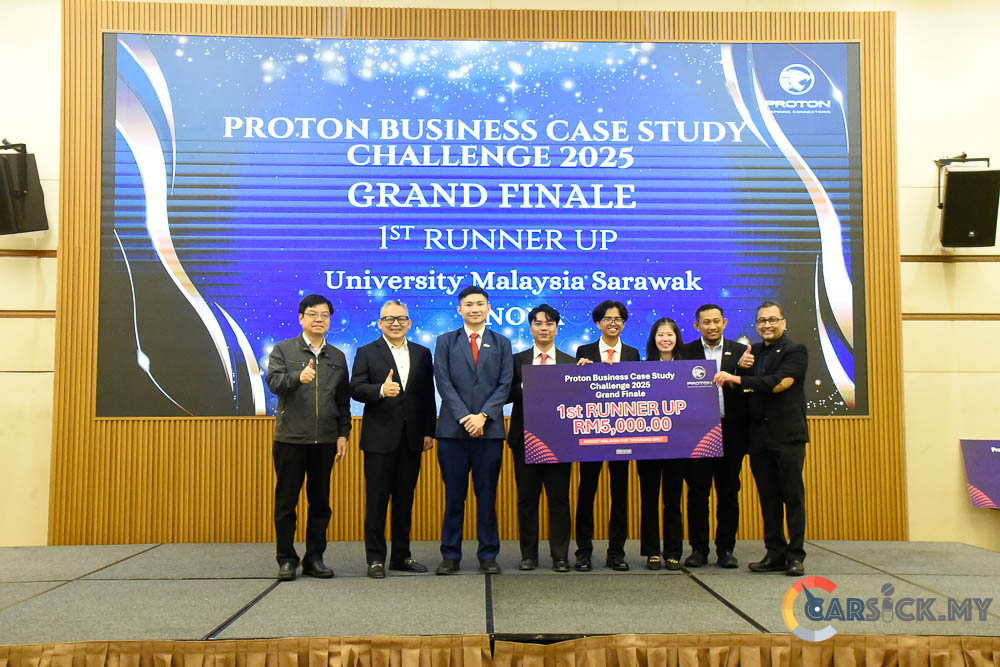
Team ANOVA from Universiti Malaysia Sarawak (UNIMAS) and Team SAA UMK from Universiti Malaysia Kelantan (UMK) secured the first and second runners-up spots, earning cash prizes of RM5,000 and RM3,000, respectively, while the champions took home RM8,000. Additionally, Phibert Goh Jie Hao from UNIMAS received the Best Individual Presenter Award, along with RM1,000 in prize money. The finale was judged by senior executives from PROTON and MARi and attended by Dato’ Ir. Abdul Rashid Musa, Deputy Chief Executive Officer of PROTON.
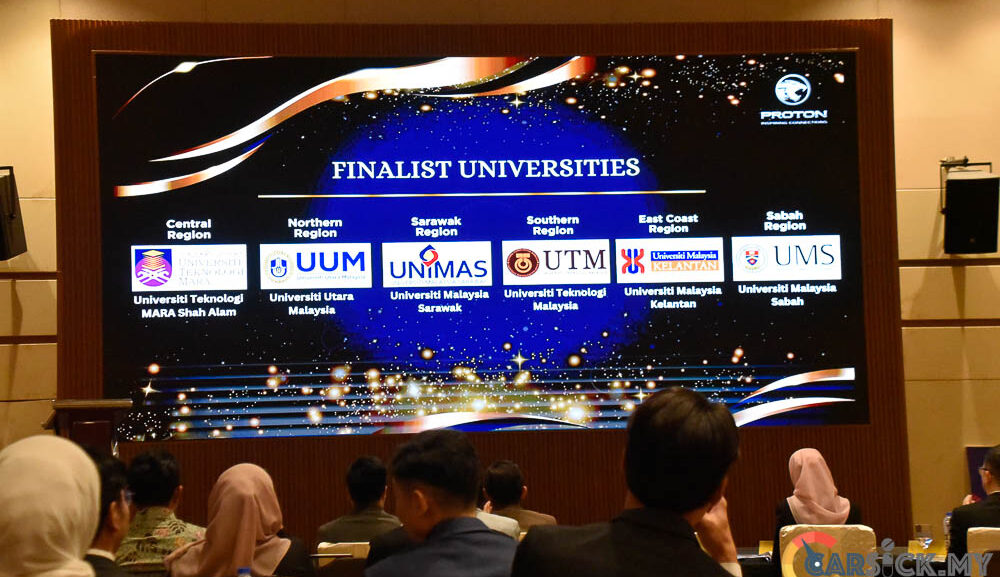
Finalist teams represented six major universities, including UTM, UNIMAS, UMK, UiTM Shah Alam, UUM, and UMS, reflecting a wide geographic representation of Malaysia’s academic talent.
The Proton Business Case Study Challenge traces its origins to 2023 when Proton launched its first academic case competition in collaboration with the Association of Malaysian Students studying in Beijing (AMSIB). The event quickly expanded, with Universiti Teknologi Petronas (UTP) winning the inaugural national-level competition in 2024 before reaching this year’s larger-scale edition.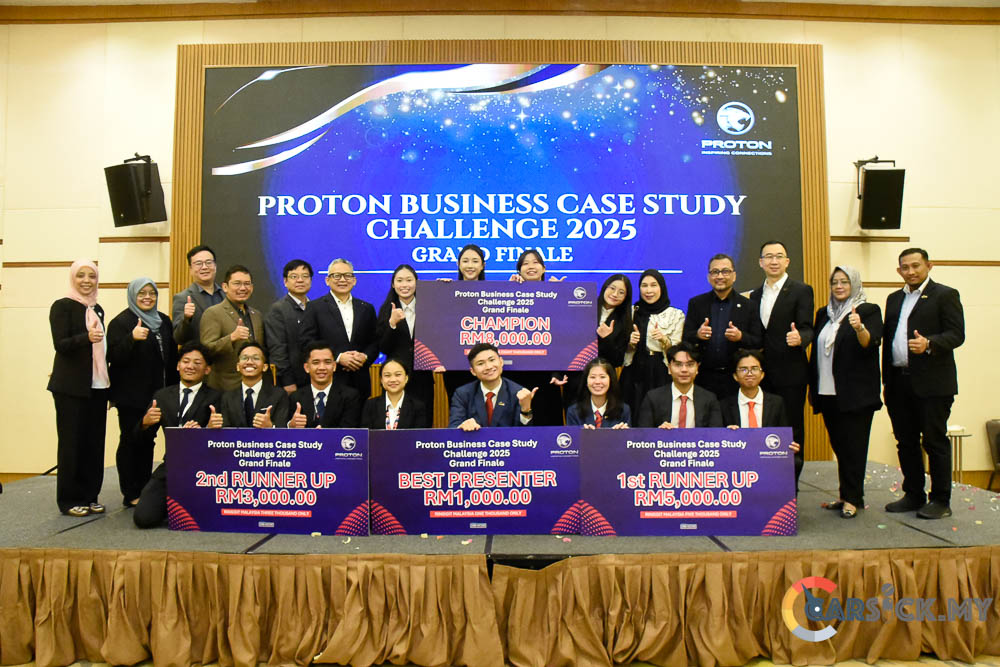
Beyond fostering academic excellence, the competition serves as a strategic platform for Proton to identify and engage high-potential undergraduates. This aligns closely with the company’s Proton Young Talents (PYT) programme, which has welcomed roughly 400 young graduates. PYT participants gain structured mentoring, hands-on project experience, and rotational exposure across departments, creating a robust foundation in the automotive sector while building a pipeline of future leaders.
Dr. Kasuma Satria, Chief Human Resources Officer at Proton, highlighted, “The Proton Business Case Study Challenge allows our Human Capital and Administration division to connect with talented undergraduates interested in the automotive industry. This year, 30 conditional offers under the PYT programme have already been extended, reflecting the competition’s value in supporting Proton’s long-term goals.”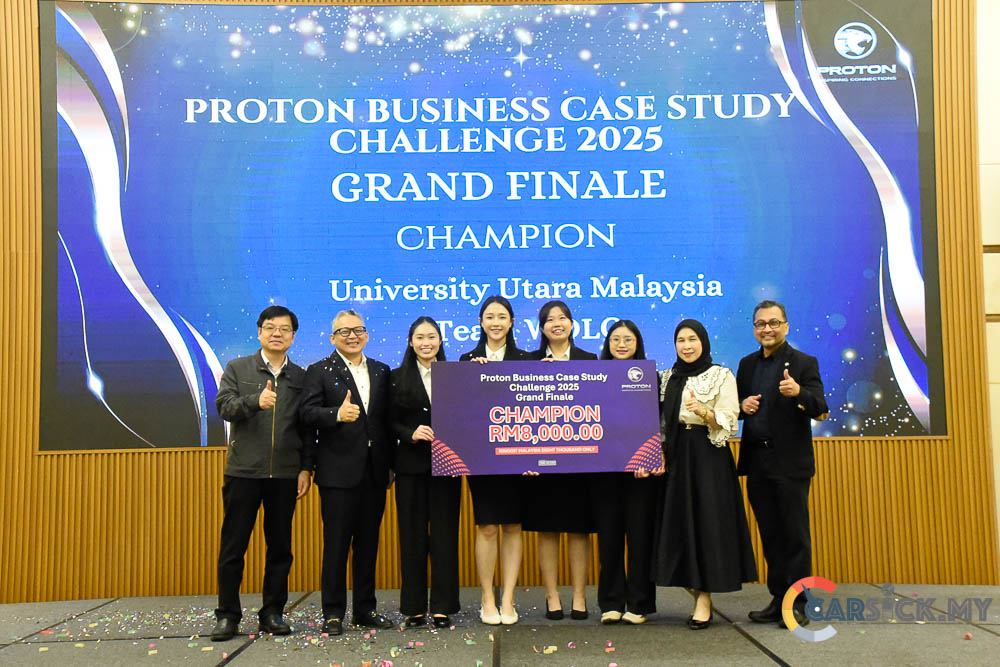
The initiative reinforces Proton’s commitment to nurturing local talent, strengthening university partnerships, and positioning the company as a preferred employer for young professionals—all vital elements as Malaysia’s automotive industry evolves toward electrification and innovation.